



Organic produce has moved from a niche in Hong Kong to a fixture, sold in supermarkets, health-food shops, farmers’ markets and by a growing number of delivery services and local farms. With that growth has come a familiar problem: the word “organic” is used liberally, sometimes loosely, and it is not always easy to tell a genuinely certified product from clever marketing. For anyone paying a premium for organic fruit and vegetables, knowing what you are actually buying is the whole game.
This guide is for shoppers, and the health-conscious households and businesses behind them, trying to buy organic produce well. Rather than ranking named suppliers, it explains what “organic” really means and why certification matters, the difference between local and imported organic, where to buy, whether it is worth the money, and how to choose a supplier you can trust. Read it before your next shop and you will spend your organic budget where it actually counts.
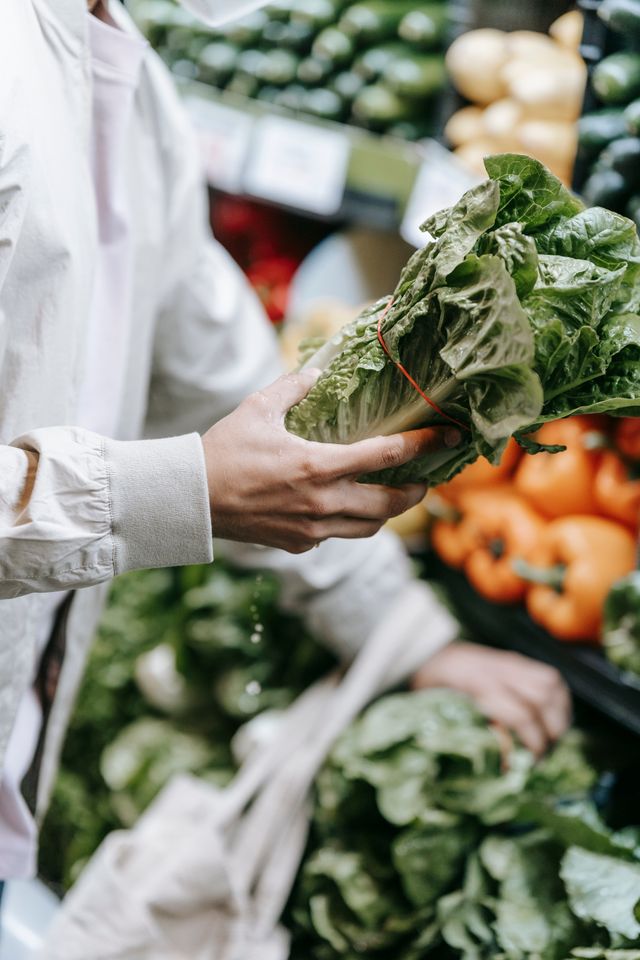
What “organic” actually means
At its core, organic farming avoids synthetic pesticides and fertilisers, works to build soil health and biodiversity, and, in the case of animal products, sets standards for welfare and feed. That is the principle. The complication in Hong Kong, as in many places, is that the term “organic” is not tightly protected by law in the way you might assume, so a label alone is not a guarantee. What turns the principle into something you can rely on is certification.
This is the single most important thing to understand as a buyer: the value is in the certification, not the word. A product described as organic without any certifying mark is asking you to take its word for it, and while some small honest growers genuinely farm organically without paying for certification, the label on its own carries no weight. You can browse suppliers of organic vegetables and organic fruits to see who is selling what, and read on for how to judge them.
Certification: what to look for
Hong Kong has its own certification system for local produce. The Hong Kong Organic Resource Centre Certification body has provided voluntary organic certification since 2002 and has certified a substantial number of local farms, covering crop production, aquaculture and processing, and there is a second local certifier as well. Produce carrying the HKORC-Cert mark has been independently verified as meeting organic standards, which is exactly the assurance the bare word cannot give you.
For imported produce, look for the recognised certification marks of the country of origin, such as USDA Organic from the United States, the EU organic leaf, or the equivalents from Australia, Japan and elsewhere. These international schemes carry their own audits and standards. The practical habit to build is simple: look for a certifying mark rather than just the word “organic,” and if a supplier cannot tell you who certified a product, treat the claim with caution. Certification is not infallible, but it is the best signal available.
Local versus imported organic
Organic produce in Hong Kong comes from two very different sources, and each has merits. Local organic farming is small but real, concentrated in the New Territories in areas such as Yuen Long and Kam Tin, supported by government schemes that help conventional farmers convert to organic methods. The great advantage of local produce is freshness and low food miles: leafy greens picked that morning and sold the same day are at their best, and Hong Kong’s local organic farms are particularly strong on Asian vegetables suited to the climate.
Imported organic produce, from mainland China and much further afield, offers range and year-round availability that a tiny local sector cannot match, but it travels, which costs freshness and carbon. Neither is simply better. For leafy greens and seasonal vegetables, local and fresh is hard to beat; for fruit and out-of-season variety, imported fills the gap. A thoughtful shopper uses both, leaning local for the things that reward freshness and reaching for imported where local cannot supply.
Where to buy organic produce
The channels have multiplied, and each suits a different shopper. Supermarkets now carry organic ranges and are the most convenient option, though selection and freshness vary and prices can be high. Dedicated health-food and organic shops offer a deeper range and more knowledgeable staff. Farmers’ markets, which run regularly around the city, are a lovely way to buy directly from growers, ask questions and get produce at its freshest, and they are where the local organic scene is most visible.
Then there are the subscription and delivery models that have grown quickly: organic vegetable boxes and community-supported agriculture schemes that deliver a seasonal selection to your door on a regular basis, and online organic grocers offering the convenience of home delivery with sourcing information attached. Boxes are excellent value and reduce waste, but they give you less choice over what arrives, which some love and others find frustrating. Match the channel to how you like to shop, and for the wider grocery picture our guide to the best supermarkets in Hong Kong is a useful companion; the health products listings also point toward organic and natural-food specialists.
Is organic worth it?
This is the honest question every organic shopper should ask, and the answer is nuanced. People choose organic for several reasons, to reduce exposure to synthetic pesticide residues, out of environmental concern for soil and biodiversity, and often because they believe it tastes better, and the strength of the evidence varies across these. What is fair to say is that organic reliably means the produce was grown to a defined, audited standard that avoids synthetic pesticides, which is a legitimate thing to value, while sweeping claims that organic food is dramatically more nutritious are on shakier ground.
Given the premium, a sensible approach is to spend where it matters most to you rather than treating organic as all-or-nothing. Many shoppers prioritise organic for the thin-skinned fruits and leafy vegetables they eat often and cannot peel, and worry less about thick-skinned produce. That lets a limited budget go furthest. The right answer depends on your priorities and your wallet, and there is no shame in buying some organic and some not.
Washing, handling and the pesticide myth
One persistent misconception is worth clearing up: organic does not mean pesticide-free, since organic farming can use certain approved natural pesticides, and it certainly does not mean dirt-free or risk-free. All fresh produce, organic or not, should be washed thoroughly before eating, because it has been handled, transported and displayed, and washing removes surface residues, soil and bacteria regardless of how it was grown.
So enjoy the benefits of organic for what they are, produce grown to a stricter agricultural standard, without imagining it exempts you from basic food hygiene. Wash it, store it properly, and use fresh produce promptly, exactly as you would any other.
Choosing a supplier
When you settle on a supplier, judge them on a few things beyond price. Certification transparency comes first: can they tell you who certified their produce, and do they display the marks? Freshness and turnover matter, especially for a delivery service or box scheme, so look for suppliers whose produce arrives in good condition and who are clear about sourcing. Range and reliability count if you intend to depend on them, and for a box scheme, the flexibility to pause, skip or adjust deliveries is worth checking.
Reputation and word of mouth help, as does starting small: a trial box or a first shop tells you more about quality and reliability than any description. A supplier who is transparent about certification and sourcing, and consistent in what they deliver, is one worth staying with.
What it costs and how to manage it
Organic produce carries a real premium over conventional, reflecting lower yields, more labour and the cost of certification, and there is no getting around that it costs more. The premium varies by product and channel, with imported and out-of-season items the priciest and local, seasonal produce the best value. Box schemes and farmers’ markets tend to offer better value than supermarket organic ranges.
The way to manage the cost is to buy seasonally and locally where you can, prioritise the items where organic matters most to you, and consider a vegetable box for regular staples. Treating organic as a considered choice rather than a blanket rule keeps it affordable while still delivering most of the benefit you are paying for.
Seasonal organic produce in Hong Kong
Buying with the seasons is the key to eating organic well and affordably, and Hong Kong’s growing calendar shapes what local organic farms offer. The cooler months, roughly autumn through spring, are the strong season for local leafy greens and many vegetables, which is when local organic produce is at its freshest, most varied and best value. The hot, wet summer is harder for local growing, so the range narrows and more produce is imported to fill the gap.
Imported organic produce follows its own seasons in its countries of origin, which is why a given organic fruit can swing widely in price and quality through the year. The practical habit is to eat local and seasonal where you can, treat out-of-season imported organic as an occasional treat rather than a staple, and let a vegetable box introduce you to whatever is growing well right now. Shopping this way costs less, tastes better, and connects you to the small but genuine rhythm of local organic farming.
Organic is not confined to fruit and vegetables, either. Certified organic eggs, dairy, dry goods and pantry staples are increasingly available, and the same principle applies throughout: look for the certifying mark rather than the word, and decide where the premium is worth it for your household.
How to choose: a quick checklist
- Look for a certification mark, HKORC-Cert locally or a recognised international scheme, not just the word “organic.”
- Favour local, seasonal produce for freshness, and use imported for range and out-of-season items.
- Match the channel to your habits: supermarket for convenience, market for freshness, box scheme for value.
- Ask suppliers who certifies their produce and where it comes from, and be cautious if they cannot say.
- Spend your premium where it matters most to you rather than buying organic across the board.
- Wash all produce well regardless, since organic is not pesticide- or risk-free.
- Start with a trial order to judge freshness and reliability.
One honest caveat
Organic is a legitimate choice, but it is not a magic label, and it is worth being clear-eyed about what you are buying. The evidence that organic food is substantially healthier is weaker than marketing implies, some produce sold as organic is not certified at all, and the premium can be steep for benefits that vary by product. None of this means organic is not worth buying; it means buying it thoughtfully, led by certification and season rather than by the word alone. Do that, and you get the genuine benefits, produce grown to a stricter standard, often fresher and more local, without overpaying for a marketing halo.
Find an organic produce supplier that fits
There is no single best organic produce supplier in Hong Kong, only the right one for how you shop and what you value. Understand what certification means, weigh local against imported, choose the channel that suits you, and spend your premium where it counts. Get those right and eating organic in Hong Kong becomes both trustworthy and affordable.
When you are ready, browse suppliers of organic vegetables and organic fruits on Shareit, look for certified produce and clear sourcing, and start with a trial box or a single shop to judge the freshness and value before you commit to a regular supplier.
