



There may be no harder place in the world to run a restaurant than Hong Kong. Rents are brutal, competition is ferocious, diners are famously demanding and quick to move on, and a place that is packed one month can be forgotten the next. Great food is the price of entry, not the winning hand, and plenty of genuinely good kitchens have quietly closed because not enough people knew they were there. Marketing a restaurant here is not a luxury for when things are going well; it is part of the job of staying open, and the restaurants that last are the ones that treat it that way. The good news is that most of what works is within your control, and costs more attention than money.
This guide is a practical playbook for marketing a restaurant in Hong Kong, built around choosing where to put your limited time and money rather than chasing every tactic at once. It covers being found, being chosen, being remembered and being talked about, with the local realities that shape all four. The cheapest and most durable place to start is making sure hungry people nearby can actually find you, so list your restaurant on advertise.hk before you spend on anything more elaborate.
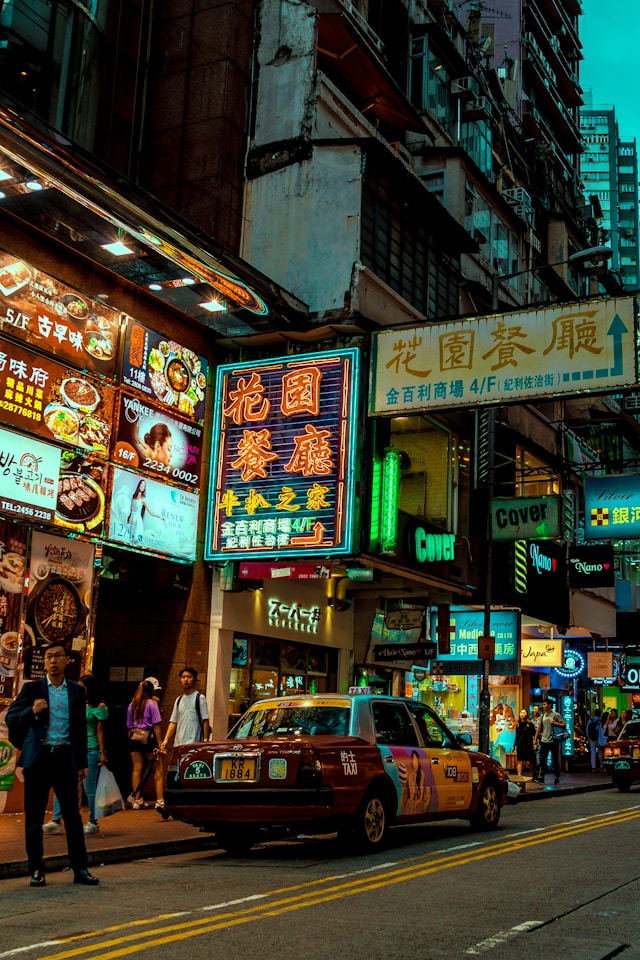
Restaurant in HongKong, Restaurants in Hong Kong: Start being found
The warmest customer a restaurant has is the person standing nearby, phone in hand, deciding where to eat in the next twenty minutes. Winning that person is the highest-return marketing a restaurant can do, and it comes down to being visible in local search and on the map at the exact moment of the decision. A complete, active online presence is what puts you in front of them, and it is astonishing how many restaurants leave it half-finished.
The foundations are free and firmly in your hands. A complete Google Business Profile, accurate and identical details everywhere they appear, and a listing on the local directories diners actually use will capture demand that already exists. Our guides to local SEO in Hong Kong and to setting up a Google Business Profile cover the mechanics; the point for a restaurant is that this is the groundwork everything else sits on, and it costs nothing but attention. Google’s own guidance on local ranking confirms what it rewards, and for a restaurant it is simply the basics done properly.
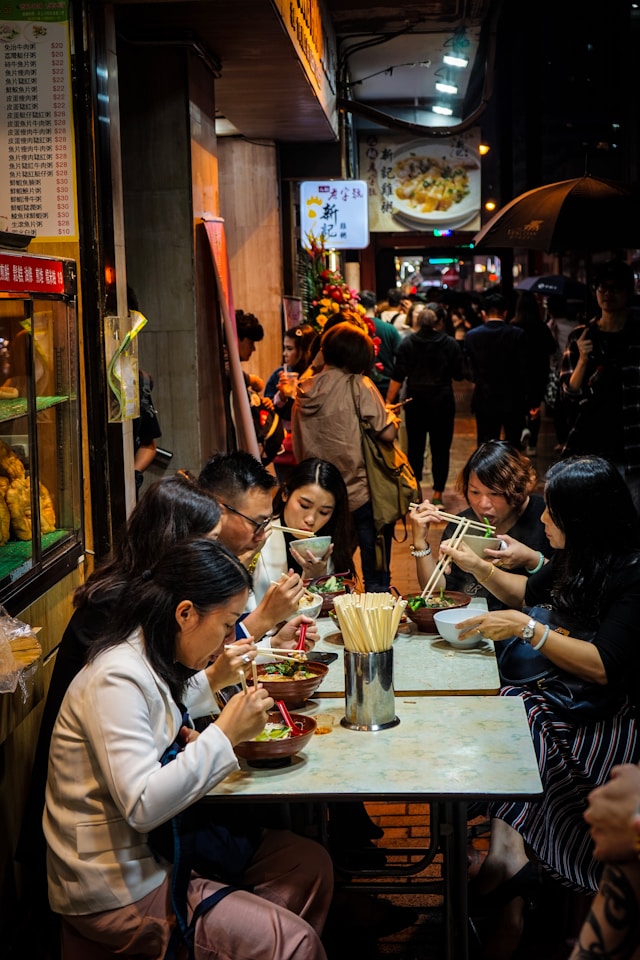
Restaurants Reviews are your reputation in Hong Kong
In a city where diners research obsessively before choosing a location, experience, reviews are close to everything. They sway the person deciding between you and the place next door, and they feed your visibility in Cantonese or English local search at the same time, so a steady flow of recent, genuine reviews is one of the most valuable assets a restaurant can build. This is doubly true in Hong Kong, where local review and dining platforms carry real weight and a strong rating can fill tables on their own.
- Make it easy and natural to leave a review, with a link on the receipt, the table or a small sign.
- Reply to reviews, the critical ones especially, calmly and with genuine care rather than a defensive template.
- Treat a bad review as feedback and, where fair, act on it, because patterns in reviews are free market research.
- Never buy reviews or plant fake ones, which is against the rules and, in a food scene this connected, quickly noticed.
A thoughtful reply to a poor review persuades far more future diners than a wall of five stars, because it shows a restaurant that cares how you eat. Build the habit of earning and answering reviews into the rhythm of service, and it compounds into a reputation that markets the place for you. In this city, a restaurant’s rating is its reputation made visible, and it is worth guarding.
Restaurant in HongKong Photos, social media and the appetite to share
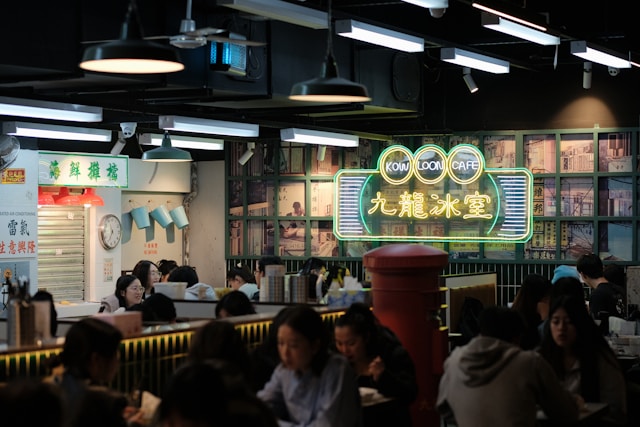
People eat with their eyes long before they taste anything, and in Hong Kong they photograph first of all. Strong, appetising images of your food and your room do more marketing than almost any paid campaign, because they travel: on your own profiles, on review sites, and on the feeds of the diners who share them. Invest in a set of genuinely good photographs, and make your dishes and your space worth photographing in the first place.
Social media rewards restaurants that give people something to share and something to come back for. You do not need to be on every platform; you need to be consistent on the one or two where your diners actually are, posting the food, the specials, the moments and the story behind the place. The kitchens that do this well turn every satisfied customer into a small, free advertisement, which in a market this crowded is exactly the leverage a restaurant needs.
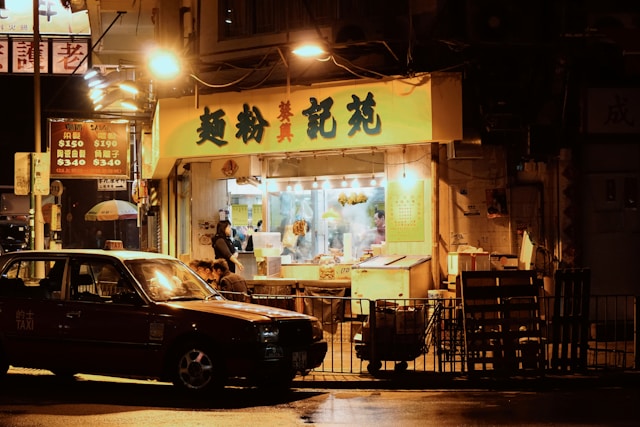
Delivery platforms and their trade-offs
Delivery is a large part of eating in Hong Kong, and the major platforms put your restaurant in front of a vast audience of hungry people who will never walk past your door. For many restaurants that reach is genuinely valuable, and turning it down means turning down a real slice of the market. But it comes at a cost worth understanding clearly.
The platforms take a significant commission, they own the relationship with the customer rather than handing it to you, and heavy discounting to stand out can erode already thin margins. The sensible approach is to treat delivery as one channel among several rather than the whole strategy: use it for the reach, but work hard to turn delivery customers into people who know your name, follow your profiles and eventually come to eat in. A restaurant that lets a platform own its customers is renting its own demand.
Promotions, loyalty and filling the quiet times
Used well, an offer can fill a slow Tuesday or launch a new dish; used badly, it trains diners to wait for the discount and quietly cheapens the restaurant. The art is to promote with a purpose rather than reflexively slashing prices. A set lunch that brings in the office crowd, a happy hour that fills the bar before dinner, or a seasonal special tied to a festival gives people a reason to come now without teaching them that your food is only worth the lower price.
Retention is the quieter, more profitable half of the story. A diner who comes back monthly is worth far more than one who came once for a voucher, so give people a reason to return: a simple loyalty scheme, a warm welcome that remembers regulars, a reason to book again. In a city where new openings are relentless and attention is short, the restaurants that thrive are the ones that turn first-time curiosity into a habit.
The neighbourhood and the walk-in
Not all marketing happens on a screen. In a city where people move on foot and decide fast, your frontage, your window and your visible energy still pull diners in off the street, so treat them as part of the marketing rather than an afterthought. A clear, inviting shopfront, a legible menu at the door in both Chinese and English, and a room that looks warm and busy will win walk-ins that no advertisement could.
The local network matters too. Relationships with nearby offices, hotels and non-competing businesses, a lunch deal for the building next door, a arrangement with a local hotel concierge, quietly fill tables in a way that is invisible from the outside. In a tight-knit district, word travels fast, and a restaurant that is generous and present in its neighbourhood is one the neighbourhood sends people to.
Choosing where to focus, by type of restaurant
No restaurant can do all of this at once, and the right emphasis depends on what kind of place you run, so match the effort to the model rather than copying a rival.
- A neighbourhood restaurant lives on reviews, regulars and its street presence, so being found locally and being remembered matter most.
- A destination or fine-dining restaurant lives on reputation, photography and occasion, so reviews, strong images and a booking system earn their keep.
- A fast-casual or lunch spot lives on visibility, speed and delivery reach, so local search, delivery and a slick set-lunch offer come first.
- A bar or late-night venue lives on atmosphere, social media and the walk-past, so photography and a strong frontage do the heavy lifting.
Pick the one or two levers that fit your restaurant, do them properly, and let the rest wait. A focused effort on the right channel will always beat a thin presence spread across all of them, and it is far kinder to a stretched team.
Working with food media, influencers and events
Hong Kong has a lively ecosystem of food writers, bloggers and social-media influencers, and the right coverage can fill a room quickly, particularly for a new opening or a special menu. Handled well, it is genuine marketing; handled carelessly, it is money and free meals spent on reach that never converts. Choose partners whose audience actually overlaps with your diners, look for engagement and trust rather than raw follower counts, and be clear about what you expect in return before you host anyone.
Events and collaborations work on the same logic. A guest chef, a seasonal tasting, a tie-in with a nearby business or a festival menu gives people a reason to choose you now and something worth talking about afterwards. The best of these are not one-off stunts but part of a rhythm that keeps a restaurant in the conversation across the year, which in a city with a short memory is exactly the point. Judge every collaboration by whether it brings you the right diners, not simply a crowd.
Measuring what works
Restaurants are busy, and marketing is easy to do on instinct and impossible to judge that way, so watch a few simple signals rather than guessing. You do not need a marketing department, just enough attention to know what is bringing people in and what is not.
- Ask diners, and your staff, how people are hearing about you, and keep a rough tally.
- Watch the actions on your Google Business Profile, such as calls, direction requests and bookings.
- Track your reviews and your rating over time, which is the clearest gauge of reputation.
- Notice which promotions actually fill tables, and which simply discount the diners you would have had anyway.
Give any change a few months to show, and measure it by covers and repeat visits rather than by likes. The aim is not data for its own sake but the handful of decisions it lets you make with confidence about where to spend a stretched budget.
An honest word on restaurant marketing
The honest truth is that marketing will not save a restaurant that gets the fundamentals wrong. If the food is ordinary, the service careless or the prices out of step with the offer, no amount of clever promotion will hold a Hong Kong diner, because word travels fast and second chances are scarce. Marketing is what makes a genuinely good restaurant findable, memorable and talked about; it is a multiplier of quality, not a substitute for it. Be sceptical of any agency promising to fill your tables overnight, keep ownership of your own profiles and customer relationships, and treat marketing as a steady habit woven through the business rather than a rescue mission launched when things go quiet. Do the basics consistently, and in a city this demanding, that alone will put you ahead of most of the competition. In Hong Kong, consistency really is the rare ingredient.
Get your restaurant found in Hong Kong
Marketing a restaurant in Hong Kong comes down to a few durable habits: be findable when hungry people are searching, earn and answer reviews, make your food worth photographing and sharing, keep the customers you win, and be present in your neighbourhood. Do those consistently and you give good food the audience it deserves. When you are ready, list your restaurant on the directory so local diners can find you, browse how other restaurants across Hong Kong present themselves, and read our guide to getting more customers for your Hong Kong business. If you decide to bring in help, choose a marketing or SEO agency on track record rather than promises.
