



After a week of crowded commutes and long hours, few cities make you want a massage quite like Hong Kong, and few make it so easy to find one: there is a foot-massage shop on half the street corners and a spa in every second hotel. The trouble is that the quality runs the full range, from genuinely restorative to forgettable, and the price you pay is a poor guide to which you will get. A quiet neighbourhood shop can leave you floating, while an expensive hotel treatment can be all scented towels and no substance. Learning to tell the two apart before you hand over your money, and your afternoon, is well worth the few minutes it takes.
This is a guide to choosing well rather than a list of names, because the massage and spa scene in Hong Kong turns over quickly and a good therapist matters more than a famous address. Learn the styles on offer, the kinds of venue, and the signs of a place worth your time, and you will book with confidence anywhere in the city. When you are ready, you can browse spas and massage studios and compare them by area and reviews. A few minutes spent choosing is the difference between an hour you will book again and one you will quietly regret.
Compare spas and wellness centres in Hong Kong with hours and contact details.
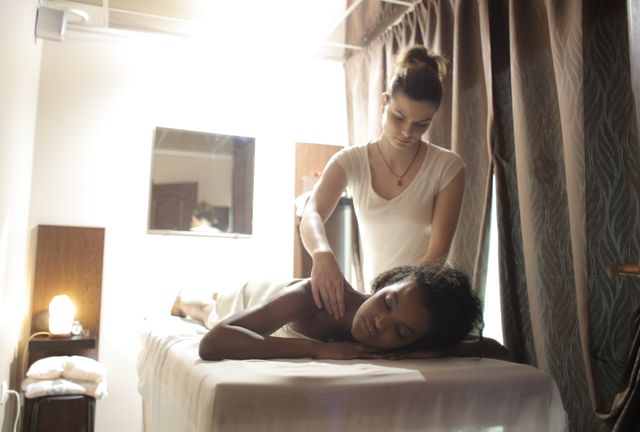
Decode the styles of massage
The word massage covers a lot of ground, and choosing the right style for what your body actually needs is half the battle. A brief guide to the ones you will meet most often:
- Foot reflexology: pressure applied to points on the feet, the classic Hong Kong after-work treatment, often done in a reclining chair while you keep your clothes on.
- Chinese tui na: a firm, therapeutic style that works on muscles and pressure points, good for stiffness and tension.
- Thai massage: stretching and pressure, done on a mat with you clothed, energising rather than sleep-inducing.
- Swedish and aromatherapy: gentler, flowing styles focused on relaxation, usually with oils.
- Deep tissue and sports: firmer work aimed at knots and specific problem areas, better for recovery than for drifting off.
- Hot stone and specialty treatments: warmth and ritual added to the basics, at the more indulgent end.
If you are carrying a specific ache, say so, and choose a therapeutic style; if you simply want to switch off, a relaxation style suits better. Booking a deep-tissue session when you wanted to relax, or a gentle aromatherapy hour when you needed a knot worked out, is the most common way people leave disappointed. When in doubt, tell the therapist what you want from the hour, relaxation or relief, and let them steer you to the right style.
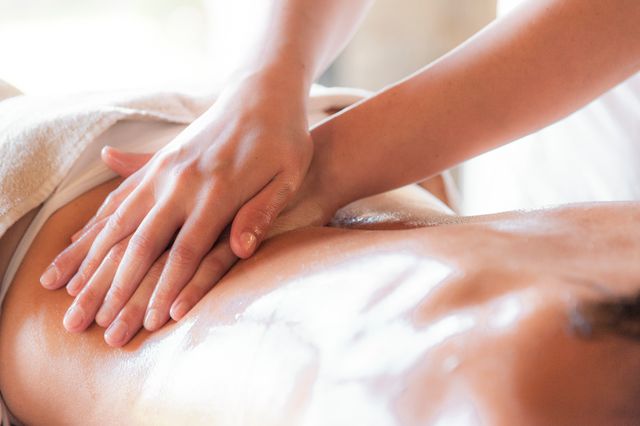
Decode the types of venue
Where you go matters as much as what you ask for, because Hong Kong’s venues aim at very different moods and budgets.
- Neighbourhood massage shops: no-frills, well-priced and often excellent, the everyday choice for a foot or body massage.
- Foot-massage parlours: quick, cheap and sociable, ideal for a shared after-dinner treat.
- Day spas: a calmer, more polished setting with a menu of treatments, aimed at a longer, more pampering visit.
- Hotel spas: the premium end, with the fullest facilities and the highest prices; several of the city’s hotels run destination spas worth a special occasion.
- Medical, physiotherapy and sports clinics: for injury and rehabilitation rather than relaxation, where a qualified practitioner is the point.
Match the venue to the occasion. A neighbourhood shop is perfect for a regular unwind, a day spa for a treat, a hotel spa for a celebration, and a clinic for a genuine problem. Paying hotel prices for a simple foot massage, or expecting clinical treatment at a walk-in parlour, is a mismatch of venue and need. Decide the occasion first, and the right kind of venue tends to choose itself.
What separates a good place from a poor one
Once you know the style and the setting, judge the place itself. A few signals tell you more than the decor or the price list. The best places tend to do the simple things right, every time, rather than dazzle you with extras.
- A proper consultation: a good therapist asks about pressure, problem areas, injuries and pregnancy before starting, rather than launching straight in.
- Skilled, consistent therapists: the single biggest factor, and the reason regulars often ask for the same person by name.
- Cleanliness and professionalism: fresh linen, a tidy room, clear pricing and a calm, above-board atmosphere.
- Listening: a place that adjusts the pressure when you ask, and checks in during the treatment, is one that cares about the result.
Reviews help, but read them for patterns rather than one-off raves; consistent praise for the therapists and the hygiene is worth far more than a single glowing comment. If a place feels off when you walk in, trust that instinct and leave, because a rushed or uneasy massage is worse than none at all.
Massage and spa by district
Hong Kong’s wellness scene has a rough geography, and knowing it helps you set expectations before you book.
- Central and Sheung Wan: polished day spas and wellness studios aimed at the after-work and weekend crowd, at the higher end of the price range.
- Causeway Bay and Wan Chai: a dense mix of everything, from quick foot-massage shops to established parlours and mid-range spas.
- Tsim Sha Tsui: hotel spas with harbour views alongside plenty of accessible neighbourhood options.
- The residential districts and new towns: the everyday shops where locals actually go, usually the best value in the city.
Wherever you are, a good massage is rarely more than a few minutes’ walk away, so let convenience play its part; a place you can reach easily is a place you will actually return to, and returning to the same good therapist is how a one-off treat becomes a genuine habit.
When to go, and how to make the most of it
Massage in Hong Kong is often an after-work ritual, and the timing you choose changes the experience. Early evening on a weekday is the classic slot, and the busiest, so the best therapists and the prime hours book up fast; a late-morning or afternoon appointment is usually calmer and easier to get. Weekends fill quickly at the popular spas, so reserve ahead if your heart is set on a particular place or time.
A little preparation makes any treatment better, and costs nothing. Arrive a few minutes early so you are not rushing in flustered, skip a heavy meal or too much alcohol beforehand, and turn your phone off rather than to silent. Then use the hour properly:
- Say at the start how firm you like the pressure, and mention any tender spots, injuries or pregnancy.
- Speak up during the massage if anything is too hard or too soft, because a good therapist genuinely wants to know.
- Breathe and let go rather than making conversation, unless you would rather chat; either is fine, so long as you decide.
- Drink some water afterwards, take it slowly, and give the calm a chance to last into the evening.
What to check before you book
- Choose a reputable, clearly run establishment with transparent pricing displayed up front.
- Confirm the treatment, the duration and the total price, including any service charge, before you start.
- Mention any injuries, health conditions or pregnancy when booking, and state a preference for a male or female therapist if you have one.
- Ask whether booking is needed, as the best therapists and the weekend slots go early.
- Check the hygiene basics on arrival, and do not feel obliged to continue if anything feels wrong.
- Clarify tipping, which is common for good service though not always expected, so you are not caught out at the end.
Etiquette, tipping and the small print
A few practical customs are worth knowing so nothing catches you out. Tipping is common for good service, though not rigidly expected, and a modest tip for a therapist who did a genuinely good job is normal; at spas a service charge may already be added, so check the bill before you add more. Bookings are wise for anything beyond a walk-in foot massage, and cancelling at short notice may incur a charge at the smarter places.
It also pays to be clear on the basics before you lie down: the exact treatment and its length, the total price including any extras, and what is and is not included. A reputable place states all of this plainly and without fuss. If you are ever pressured into add-ons you did not ask for, treat it as a sign to keep the visit short and look elsewhere next time.
Understanding the prices
Massage in Hong Kong spans a wide range, and the price mostly reflects the setting rather than the skill. At the accessible end, a neighbourhood foot or body massage is an affordable regular treat; a day spa sits in the middle, buying you a calmer environment and a longer menu; and a hotel spa is a premium, occasion-priced experience. Packages and memberships can bring the per-visit cost down if you go often. It is worth asking about packages up front if you expect to become a regular, because the savings add up quickly.
The honest point is that a higher price buys atmosphere and facilities more reliably than it buys better hands. Some of the best massages in the city come from modest shops, and some of the least memorable come from its grandest spas. Decide which band suits the occasion, then judge the place on the signals above rather than on the sticker price. If a place is genuinely good, its regulars will tell you so far more reliably than its price list ever will.
Spas, wellness and making it a habit
For many people a massage is not a one-off treat but part of looking after a body that spends too long at a desk or on its feet. If that is you, it is worth thinking beyond the single visit. Many studios and day spas offer packages or memberships that lower the per-visit cost and make it easier to go regularly, and a standing appointment with a therapist you trust takes the decision out of it entirely.
Massage also sits within a wider wellness scene, and the right mix depends on what you are actually after.
- Relaxation and stress: massage, aromatherapy, facials and a quiet spa afternoon.
- Recovery and problem areas: deep tissue, sports massage, physiotherapy or traditional Chinese medicine.
- General wellbeing: yoga, stretching and regular movement alongside the occasional treatment.
Be clear with yourself about which you need, because a relaxing spa afternoon and a course of remedial treatment are different projects, even if both begin with lying face down on a heated table.
An honest word on choosing well
Two honest cautions are worth keeping in mind. First, this is a trade where quality is personal and inconsistent: the same shop can be wonderful with one therapist and ordinary with another, so when you find someone good, keep their name and rebook them. Second, stick to reputable, licensed, transparently run establishments; if a place is evasive about its services or its prices, or simply feels wrong, walk away, because there is always another good option nearby. A massage should leave you calmer than you arrived, and choosing carefully is how you make sure it does. Get it right a few times and you will have a go-to place and a go-to therapist, which is really all anyone wants from a massage in a busy city.
Find a massage or spa in Hong Kong
Choosing a massage or spa in Hong Kong comes down to matching three things: the style to what your body needs, the venue to the occasion, and the place itself to the simple signs of skill and care. Get those right and the city’s enormous choice becomes a pleasure rather than a gamble. When you are ready to unwind, browse massage and spa listings to compare places by area and reviews, and pair a treatment with our guide to the best things to do in Hong Kong for a proper day off. Run a spa or studio yourself? You can add or claim your listing so local clients can find you.
