



Hong Kong beaches: How to choose the right one for your day
Hong Kong has more than forty public beaches, Hong Kong island has many beaches, and on a hot weekend it can feel as though the whole city is trying to reach the same three of them. The territory hides a genuinely varied coastline, from developed, family-friendly bays with lifeguards and noodle kiosks to wild, hike-in coves where you might have the sand to yourself. The catch is that the beach that suits a toddler is not the one that suits a surfer, and the one with the best sunset may be the one with the trickiest currents. Choosing well is the difference between a great day and a long, hot journey to disappointment. A little planning turns Hong Kong’s coastline from a lottery into one of the city’s great free pleasures.
This guide is about how to choose rather than a countdown of names that drift in and out of fashion. It covers the kinds of beach on offer, what the gazetted and wild labels really mean, a district-by-district tour, and, importantly, how to read the safety signs so your day stays a happy one. Use it to pick the right stretch of sand for who you are with and what you want, then browse the local listings across Hong Kong for the seafood lunch or the beach hotel to round the day off.
Find beachside cafés and shops in the Advertise.hk directory.
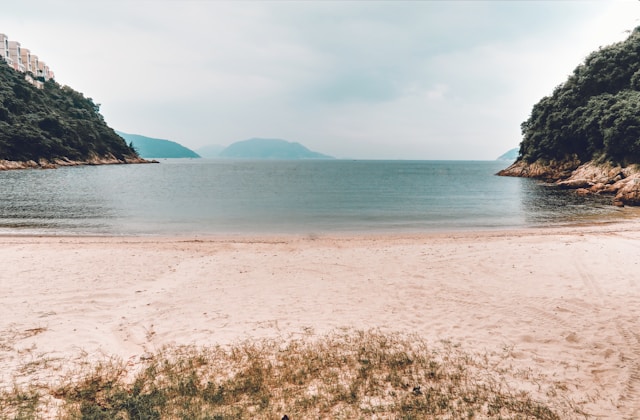
Decide what kind of beach day you want
Before you look at a single bus route, decide what you actually want from the day, because Hong Kong’s beaches serve very different purposes and rarely all at once.
- A calm swim and easy facilities: the developed southern and Gold Coast beaches, with lifeguards, changing rooms, showers and food nearby.
- Surf and bigger waves: the exposed eastern beaches, which draw surfers and bodyboarders but are not for weak swimmers.
- A scene and a sunset: the busier, bar-backed bays where the point is as much people-watching as swimming.
- Peace and wild nature: the remote, hike-in or boat-in beaches of Sai Kung and the outer islands, beautiful but without facilities or lifeguards.
- Watersports and paddling: sheltered bays suited to kayaks, paddleboards and children.
Most disappointing beach days come from taking the wrong crowd to the wrong beach: small children to a surf break, or a group after a lively afternoon to a silent nature cove. Match the beach to the mood first, and the rest of the planning falls into place. It is also worth being realistic about the season, because the water is warm and swimmable roughly from late spring to autumn, and a beautiful beach in January is a walking destination rather than a swimming one. Knowing the season you are in stops you trekking out to a lovely bay only to find the water too cold and the kiosks shuttered.
Gazetted or wild? What the difference means
Hong Kong beaches split into two broad types, and knowing which you are heading to shapes what you pack and how careful you need to be. The Leisure and Cultural Services Department manages a large number of gazetted public beaches, and these come with real infrastructure: lifeguard cover in season, shark prevention nets, changing rooms, showers, and regular water-quality testing. For most visitors, most of the time, a gazetted beach is the sensible choice, and it is the only kind to consider with young children or nervous swimmers.
Wild beaches are the other half of the appeal. Reached on foot, by boat or by a long bus ride, they trade every convenience for space and beauty, and some of the territory’s finest sand sits at the end of a hike. The trade-off is real: no lifeguards, no nets, no facilities and no easy help if something goes wrong, so they suit confident, well-prepared swimmers rather than families. Decide honestly which kind of day you are equipped for, and when in doubt, choose the monitored beach; the wild ones will still be there when you are ready for them.
Beaches by district
Hong Kong’s beaches cluster in a handful of areas, each with its own character. A quick tour to point you in the right direction:
- The Southern District of Hong Kong Island: the most accessible cluster, with Repulse Bay, Deep Water Bay, Stanley, Shek O and the surf at Big Wave Bay, all reachable by bus from Central.
- The Outlying Islands: Cheung Chau and Lamma offer easy, ferry-and-a-short-walk beaches, while Lantau’s long strands at Cheung Sha and Pui O feel wonderfully open.
- Sai Kung: the territory’s scenic heart, where a short boat hop reaches clear-water beaches such as Sharp Island, and longer hikes reach the celebrated stretches of the peninsula.
- Tuen Mun and the Gold Coast: a developed, family-friendly resort strip in the north-west, purpose-built for an easy day out.
- Tsuen Wan: convenient bays close to the urban New Territories, handy when you do not want to travel far.
As a rule, the closer and easier the beach, the busier it gets on a summer weekend, so weigh convenience against crowds. A slightly longer journey to the islands or Sai Kung usually buys a great deal more space, and many of those trips reward you with a village seafood lunch at one of the local restaurants before the ferry home.
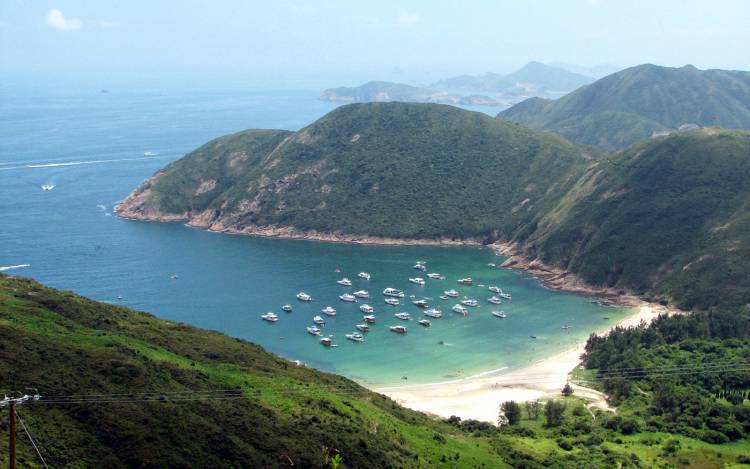
Long Ke Wan beach
Long Ke Wan (龍蝦灣/浪茄灣) is a beach in the Sai Kung East Country Park, in the eastern part of Hong Kong’s New Territories part of the Hong Kong UNESCO Global Geopark area.
It’s considered one of Hong Kong’s most beautiful and remote beaches, with turquoise water and white sand backed by hills. Unlike Lantau’s beaches, it’s not accessible by road you generally get there by:
- Hiking — it’s on Stage 2 of the MacLehose Trail, reachable via a trek from Pak Tam Au or High Island Reservoir East Dam
- Boat/kayak — many people hire a sampan or join a boat tour from Sai Kung town or Wong Shek Pier
Because it’s harder to reach, it tends to be less crowded than city-accessible beaches, though it does get busy on weekends with hikers and boat trips. There are no facilities (no shops, lifeguards, or shade), so people usually bring their own water and supplies.Long Ke Wan beach
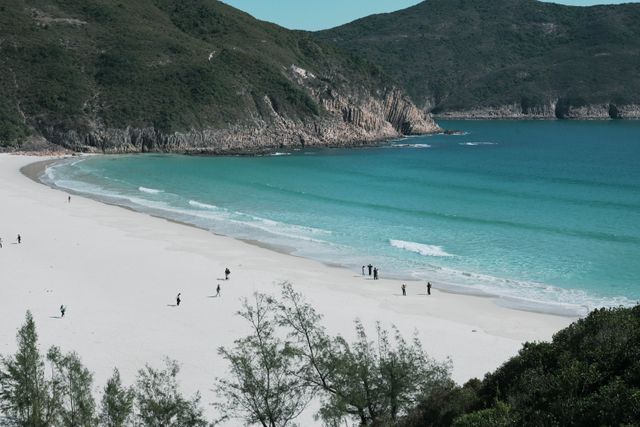
Sai wan Beach
Sai Wan is a sandy beach on the eastern edge of Sai Kung Country Park, part of the Tai Long Wan coastline. There is no road access, so most people reach it by hiking about an hour from Sai Wan Pavilion or by taking a speedboat from Sai Kung town. The sand is pale and soft, the water is usually clear, and the waves are strong enough that surfers come here when the swell picks up. A few small stores near the beach sell noodles, cold drinks, and basic supplies, and some rent out tents or surfboards. Because it takes effort to get to, the beach stays quieter than the ones near the city, though weekends and holidays still draw a steady crowd of hikers and campers.
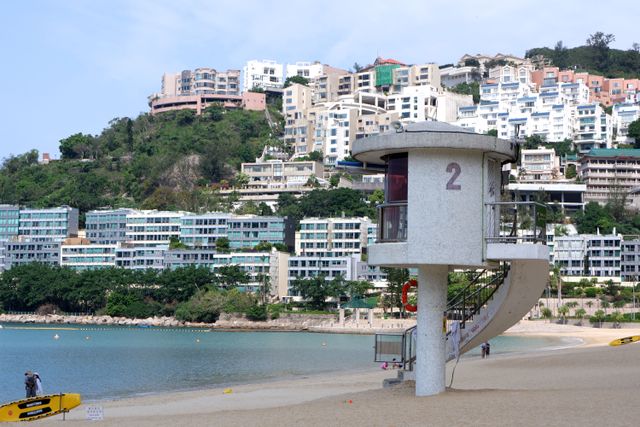
Repulse bay Beach
Repulse Bay is one of the easiest beaches to reach on Hong Kong Island, about a 20 to 30 minute bus ride from Central. The bay is wide and sheltered, so the water stays calm, which makes it a common choice for families with kids. The sand is replenished by the government, lifeguards are on duty for most of the year, and there are shark nets, changing rooms, and showers. Behind the beach sits a strip of restaurants and shops, plus the Kwun Yam Shrine at the southeastern end, where visitors cross the Longevity Bridge for good luck. It gets busy on weekends and in summer, so going on a weekday morning is the best way to find space on the sand.
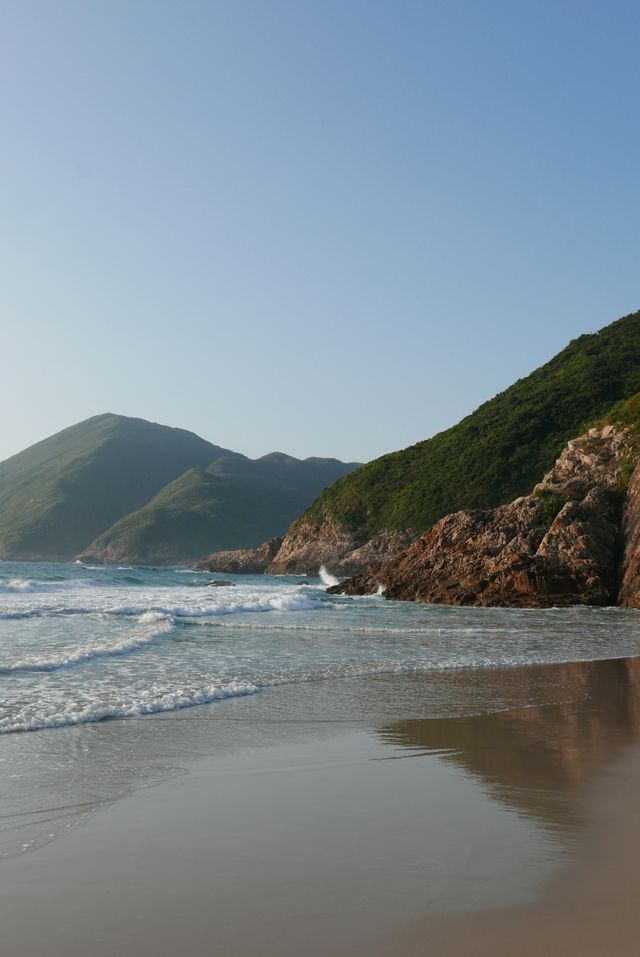
Shek O beach
Shek O Beach sits at the southeastern tip of Hong Kong Island, next to Shek O village. Most people get there by taking the MTR to Shau Kei Wan and then bus 9, which winds through the hills for about 30 minutes. The beach has coarse golden sand, decent-sized waves compared to other city beaches, and the usual facilities: lifeguards, showers, changing rooms, and barbecue pits at the back. The village next door has a handful of Thai and Chinese restaurants, a few small shops, and narrow lanes that are worth a short walk before or after a swim. Many hikers finish the Dragon’s Back trail nearby and come down to the beach to cool off, so it fills up on weekends, especially in the afternoon.
Tai Long Wan beach
Tai Long Wan is a stretch of coastline on the Sai Kung Peninsula made up of four beaches: Sai Wan, Ham Tin, Tai Wan, and Tung Wan. There is no road in, so visitors hike in from Sai Wan Pavilion or take a speedboat from Sai Kung town, and the two more remote beaches, Tai Wan and Tung Wan, require extra walking beyond Ham Tin. The sand across the bay is fine and pale, the water is clear, and the surf is stronger than at most Hong Kong beaches, which draws surfers year-round. Sai Wan and Ham Tin have small stores selling food and drinks and renting camping gear, while the outer two beaches have nothing at all, so anyone heading there needs to carry their own supplies. The effort of getting in keeps the crowds down, and many people stay overnight in tents to catch the sunrise over the South China Sea.
Trio beach
Trio Beach, known locally as Hap Mun Bay, sits on the southern tip of Sharp Island near Sai Kung. The only way in is by water, so most visitors take a kaito ferry or sampan from the Sai Kung waterfront, a ride of about 10 to 15 minutes. The beach is small but well kept, with fine sand, clear water, and a Grade 1 water quality rating that makes it one of the cleaner swimming spots in the area. It is a gazetted beach, so there are lifeguards in season, shark nets, showers, changing rooms, and a small kiosk selling drinks and snacks. The short boat trip keeps casual crowds away, but junk boats often anchor in the bay on summer weekends, so mornings and weekdays are the quietest times to swim.
Cheung Sha
Lower Cheung Sha beach is the longest beach in Hong Kong, running for about three kilometres along the southern coast of Lantau Island. It is split into Upper and Lower sections, and most people reach it by bus from Mui Wo or Tung Chung, getting off along South Lantau Road. Lower Cheung Sha is the busier half, with a row of beachfront restaurants serving Thai and Western food, plus a watersports centre that rents kayaks and surfboards. Upper Cheung Sha is quieter, with lifeguards, showers, and changing rooms but little else. The length of the beach means it rarely feels crowded, even on weekends, and the open stretch of sand facing the South China Sea makes it a common spot for long walks, dog owners, and anyone wanting more space than the city beaches offer.
Reading the safety signs
A Hong Kong beach day is safe and simple if you read the signs, and genuinely risky if you ignore them, so this is the section to take seriously. The gazetted beaches use a flag system and provide lifeguard cover through the main swimming season, which runs from the start of summer into the autumn, with a reduced service over the winter months.
- Swim only when lifeguards are on duty, and never enter the water when the red flag is flying, which signals dangerous conditions.
- Stay within the red boomline that marks the safe swimming area, and keep well clear of the shark prevention nets.
- Treat the eastern surf beaches with respect, because rip currents catch out even strong swimmers; if you are pulled out, stay calm and swim across the current rather than against it.
- Watch children constantly, whatever colour the flag.
The government’s beach safety guidance sets out the flags and the rules in full, and the Leisure and Cultural Services Department lists lifeguard hours and the current status of each beach. A two-minute check before you leave home is worth it, especially in the shoulder seasons when lifeguard cover is thinner.
Water quality, weather and when to skip a swim
Two things can turn a good beach bad on the day: the water and the weather. The Environmental Protection Department grades beach water quality on a simple scale, and it is worth a look if you are sensitive or swimming with children. Heavy rain is the main culprit, washing pollution into the sea, so it is wise to avoid swimming for a day or two after a downpour or a storm, however inviting the sunshine that follows.
The weather itself has the final say. In summer, a typhoon or a rainstorm warning ends a beach day before it starts, and even on a fine day the sun is fierce, so shade, water and sun protection are not optional extras. Occasional red tides and jellyfish also close beaches from time to time, which is one more reason to favour a monitored, gazetted beach when conditions are uncertain, and to trust the lifeguards over your own optimism. When the flags and the forecast agree, though, a Hong Kong beach is as easy and rewarding a day out as the city offers.
Getting there, and what to bring
Most of the popular beaches are an easy bus, ferry or taxi ride from the city, but the wild ones can involve a real hike, so check the journey before you commit, especially with children or a lot of kit. Ferries to the islands run to a timetable that thins in the evening, so note the last boat back before you settle in for the sunset. A little research into the route often reveals a quieter beach one stop beyond the crowded one that everybody defaults to.
- Pack water, sun protection, a hat and shade, because facilities thin out fast beyond the developed beaches.
- Carry cash for kiosks, buses and small shops, and an Octopus card for the journey.
- Bring your own food, and a bag for your rubbish, to the wild beaches, which have no shops and often no bins.
- Take footwear for rocky entries, and reef-safe sun cream where you can.
When to go for the best of it
Timing shapes a beach day as much as the choice of beach. The swimming season runs from roughly late spring to autumn, when the water is warm and lifeguards are on full duty; outside it, the beaches are lovely for a walk but cold and largely unpatrolled for swimming. Within the season, the day of the week and the hour make a real difference to how much sand you get to yourself.
Weekends and public holidays are the busiest by far, so a weekday visit, or an early start before the late-morning crowds arrive, transforms the experience. Mornings tend to be calmer and cooler, afternoons hotter and busier, and the light softens beautifully towards the end of the day, which is when the wild beaches and the west-facing bays come into their own. If you can be flexible at all, aim for the quiet edges of the day and the week.
Conditions matter at some beaches too, especially the surf breaks in the east, where the waves that make them fun also make them unpredictable. If you are heading somewhere exposed, a quick look at the forecast and the sea state, and a willingness to change plans, is part of choosing well rather than a failure of it.
A checklist before a beach day
- Match the beach to who you are with and what you want: swim, surf, scene or solitude.
- Check the weather and any Observatory warnings for the day itself.
- For a gazetted beach, check the lifeguard hours and the water-quality grade.
- Plan the journey, and note the last ferry or bus home.
- Pack sun protection, water, cash and, for wild beaches, everything else.
- Keep a rainy-day or too-crowded alternative in mind before you set off.
An honest word on Hong Kong beaches
Hong Kong beaches are one of the city’s quiet joys, but they reward honesty about the day you are actually going to have. On a hot summer weekend the accessible bays are busy, loud and short of space, and the water is at its least appealing right after the rains that so often arrive in the same season. The wild beaches solve the crowd problem and create their own: distance, effort, and no help if you get into difficulty. Pick the beach that matches your group and your appetite for effort, respect the flags and the weather, and a Hong Kong beach day is hard to beat. Push your luck with any of them, and it becomes the one part of the plan that can turn genuinely serious. Treated with a little respect, though, the sea here is a gift, and most of the caution above becomes second nature after a visit or two.
Find your next beach day in Hong Kong
The best beaches in Hong Kong are not a fixed list; they are whichever bay matches your group, your mood and the day’s conditions, reached safely and left cleaner than you found it. Decide what you want, choose gazetted or wild accordingly, read the flags and the forecast, and you will have chosen well. To round the day out, browse the Hong Kong listings for a beachside hotel, and if you are planning around a day off, our guide to planning a public holiday long weekend pairs neatly with a trip to the sand. For more ways to spend a sunny day, see our guide to the best things to do in Hong Kong.
Here are a few posts that you might want to read about:
How to plan a Hong Kong public holiday long weekend.
15 best Yum Cha reastaurants in Hong Kong
The best restaurants in Hong Kong: 13 places worth booking
Social media marketing for Hong Kong small businesses
Frequently asked questions about Hong Kong beaches
What is the best beach in Hong Kong overall?
There isn’t one answer, because the “best” beach depends on what you want from the day. Repulse Bay wins for easy access and calm water, Shek O and the Tai Long Wan beaches lead for surf, and Sai Wan or Long Ke Wan take it for scenery and solitude. Match the beach to your group and mood rather than chasing a single title.
Which Hong Kong beaches are best for families with young children?
Gazetted beaches with lifeguards, shark nets and calm water are the safest bet Repulse Bay, Shek O and Upper Cheung Sha all fit that description. Avoid the eastern surf beaches and the remote hike-in coves with young children, since they have no lifeguard cover.
Do I need to hike to reach Hong Kong’s best beaches?
Not all of them. Beaches like Repulse Bay, Shek O and Cheung Sha are reachable by bus. Others, including Sai Wan, Tai Long Wan and Long Ke Wan, require a hike or a boat ride, since there’s no road access. The extra effort is usually rewarded with fewer crowds.
When is the swimming season in Hong Kong?
Roughly from late spring through autumn, when lifeguard cover is at its fullest and the water is warm enough to swim in comfortably. Outside that window, beaches are still worth visiting for a walk, but swimming isn’t advisable and most lifeguard services are reduced or unavailable.
How do I know if it’s safe to swim?
Check the flag flying at the beach: never swim when the red flag is up, and stay within the marked swimming area. Only swim when lifeguards are on duty, and check the government’s beach safety guidance or the Leisure and Cultural Services Department listings before you go, especially outside peak season.
What’s the difference between a gazetted and a wild beach?
Gazetted beaches are managed by the government and come with lifeguards, shark nets, changing rooms and water-quality testing. Wild beaches have none of that no lifeguards, no facilities, no easy help if something goes wrong but they offer more space and, often, better scenery.
Is it safe to swim after it rains?
It’s best to wait a day or two. Heavy rain washes pollution into the sea and can temporarily lower water quality, even at beaches that are normally clean. Check the Environmental Protection Department’s water quality grading if you’re unsure.
Which beaches are least crowded on weekends?
Generally, the harder a beach is to reach, the quieter it stays think Long Ke Wan, Sai Wan or the outer stretches of Tai Long Wan. Even easily reached beaches like Cheung Sha stay relatively spacious simply because they’re so long. Visiting on a weekday morning is the surest way to avoid crowds anywhere.
Do Hong Kong’s wild beaches have any facilities?
Some do, some don’t. Sai Wan and Ham Tin have small stores selling drinks, food and camping gear, while beaches like Tai Wan, Tung Wan and Long Ke Wan have nothing at all. Always check in advance and pack water, food and sun protection if you’re headed somewhere remote.
What should I pack for a Hong Kong beach day?
Water, sun protection, cash (plus an Octopus card for transport), and footwear for rocky entries. For wild beaches, bring your own food and a bag for rubbish, since there are no shops or bins once you’re off the beaten path.
