



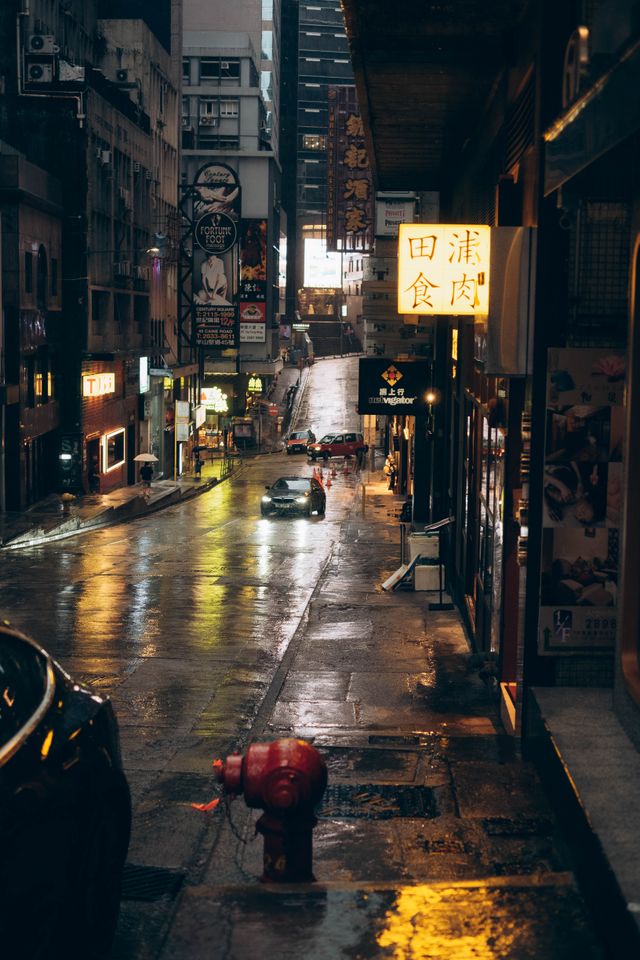
Many people feel bored when they wake up in the morning and they realize that it’s going to be a rainy day. The first this they ask, is what are the top 5 things to do in Hong Kong? In Hong Kong it usaully rains a lot. For much of the year the sky can open without warning, a bright morning turning into a black-rainstorm afternoon, and the humid drizzle of spring can settle in for days. It is the fastest way to derail a plan built around beaches, hikes and harbour walks, and every visitor eventually faces the same soggy question from a hotel window.
The good news is that a wet day here is rarely a wasted one; the city is dense, covered and endlessly indoor, and some of its best experiences happen under a roof. The city simply switches to a different setting, and it is a good one.
Find more indoor places to visit in Hong Kong in our directory.
This guide is about how to choose a good wet-weather day rather than a numbered list that reads the same as every other. It covers the kinds of indoor day Hong Kong does well, how the weather warnings change what is sensible, a district-by-district steer, and a short practical info checklist for turning a washout into a genuinely good day. Use it to pick a plan that fits your mood and the forecast, then browse the local listings across Hong Kong for the specific places open near you.
First, read the weather
Not all bad weather is the same, and the right response depends on which kind you have. A grey, drizzly day is simply an indoor day, and everything below applies. A rainstorm or typhoon warning is a different matter, because a red or black rainstorm signal, or a Signal 8 typhoon, closes offices, schools and many shops and disrupts transport, so the sensible move then is to stay close to home rather than travel across the city. Check the current warnings on the Hong Kong Observatory site before you commit to a plan, because the difference between a wet day and a warning day changes everything. On a warning day, order in, stay in, and treat it as an enforced rest; on a merely wet day, the whole city is still open to you.
Decide what kind of indoor day you want
Hong Kong’s indoors is as varied as its outdoors, so decide the mood before the destination.
- A long, slow meal: the rain is the perfect excuse for an unhurried dim sum lunch or a leisurely afternoon tea.
- Culture and calm: museums, galleries and heritage spaces, most of them quiet, dry and rewarding.
- Retail therapy: the vast, interconnected malls where you can spend a whole day without seeing the sky.
- Wellness and downtime: a spa, a massage or a hotel afternoon, which somehow feel better with rain on the window.
- Family energy: the science and space museums, indoor play centres and the covered attractions that keep children happy.
- A proper sit-down: cinemas, cafés, tea houses and bars, where the point is simply to be warm, dry and comfortable.
If food is the plan, the rain makes a fine companion to a long dim sum lunch or an afternoon in the city’s cafés. If you would rather switch off, a spa or massage is one of the great wet-weather pleasures, and the covered malls and markets can absorb an entire afternoon without a drop reaching you.
Long lunches, afternoon tea and the art of waiting out the rain
There is a particular pleasure in letting a meal expand to fill a wet afternoon, and Hong Kong is built for it. A dim sum lunch that starts at noon and drifts into the middle of the afternoon, or a hotel afternoon tea taken slowly with the rain streaking the glass, turns the weather from a problem into the whole point. Many of the city’s hotels run afternoon-tea services made for exactly this, and a window table becomes a front-row seat to the storm.
The same logic applies to the tea houses and the coffee shops. On a grey day, a slow pot of tea and a book is a perfectly legitimate way to spend two hours, and nobody will rush you out. Treat the rain as permission to slow down rather than a schedule to fight, and the day often turns out better than the sunny one you had planned.
Museums, galleries and covered culture
Hong Kong’s cultural spaces are among the best wet-weather options because they are dry, calm and largely indifferent to the forecast. The major museums cluster along the Tsim Sha Tsui waterfront and in the newer arts district on the same side of the harbour, and a single wet day can comfortably take in two of them with a covered lunch in between. Galleries, from the big institutions to the small commercial spaces of Central and the Southside, offer the same shelter with less commitment.
The advantage of culture on a rainy day is that it rewards exactly the slow, unhurried pace the weather forces on you. You are not rushing to the next photo stop; you are inside, warm and free to linger. Several public museums also waive admission on set days, which makes a wet afternoon an easy and inexpensive one as well as a dry one.
Malls, markets and shopping under cover
Few cities have turned indoor shopping into an art form quite like Hong Kong, and on a wet day the malls come into their own. Many are enormous, interconnected and linked directly to the transport network, so you can travel, eat, shop and be entertained across a whole afternoon without ever stepping outside. The bigger complexes hold cinemas, ice rinks, food halls and children’s attractions alongside the shops, which makes them a genuine all-weather destination rather than just somewhere to buy things.
If you prefer character to comfort, some of the city’s markets are covered or semi-covered, and the older arcades and shopping streets offer the same shelter with more atmosphere. The trick is to pick a single large complex or covered area and let it hold the whole day, rather than dashing between separate places and getting soaked in the gaps. On the wettest days, the ability to spend hours somewhere warm, dry and full of options is worth more than any single attraction.
Rainy days with children
A wet day with restless children is the real test, and Hong Kong passes it well. The science and space museums are built for exactly this, with hands-on exhibits that burn off energy indoors, and the city has a good supply of indoor play centres, soft-play spaces and covered attractions. The larger malls double as wet-weather playgrounds, with activities that keep younger children busy for hours.
- The hands-on science and space museums, which reliably absorb a wet morning.
- Indoor play centres and soft-play spaces, easy to find across the city and inside the malls.
- Aquariums, covered attractions and indoor entertainment complexes.
- A cinema, which buys you two guaranteed hours of calm.
The key with children is to have the plan ready before the rain starts, because improvising a wet day with tired children is nobody’s idea of fun, least of all yours.
Cinemas, cafés and the pleasure of doing nothing
Not every wet day needs an itinerary. Some of the best are spent doing very little in a warm, dry place, and Hong Kong is unusually good at this. The cinemas, many of them tucked inside the malls, offer a guaranteed two hours out of the weather, and the city’s café and tea-house culture is built for lingering. A window seat, a pot of tea or a good coffee, and a book or some conversation is a complete plan on a grey afternoon.
There is no need to justify it, either. The pressure to see everything eases when the weather takes the decision out of your hands, and an afternoon spent slowly, watching the rain and the city go by, is often what people remember most warmly. Treat a wet day as permission to stop, and it stops being a problem at all.
Staying dry between stops
Half the misery of a wet day is the gaps: the dash from the station to the mall, the queue for a taxi, the soaking on a street corner. Hong Kong has quietly engineered much of that away, and using its covered infrastructure well is the real skill of a rainy day. Large parts of the urban core are joined by elevated walkways, underground passages and mall-to-station links that let you cross whole districts without opening an umbrella.
Plan your day around those connections rather than fighting them. Base yourself somewhere the transport, the shops and the food are all under one roof or joined by covered walkways, and the rain becomes something you watch through the glass rather than something you battle. A little thought about how you move between places matters as much as the places themselves.
A district-by-district steer
Where you base a wet day matters, because the ideal is to arrive somewhere covered and stay there. A quick steer:
- Tsim Sha Tsui: the museum cluster, the harbourfront under cover, and malls linked straight to the station, all within a small, walkable and largely sheltered area.
- Central and Admiralty: interconnected malls, the elevated walkways that let you cross much of the district without an umbrella, galleries and long lunches.
- Causeway Bay: shopping under cover on a grand scale, with cinemas and food halls to fill the gaps between showers.
- Kowloon’s big complexes: vast malls with everything indoors, ideal when you simply want to forget the weather exists.
Wherever you choose, use the covered walkways and the station links, which in much of the urban core let you travel a surprising distance without getting wet.
A checklist for a wet day
- Check the Observatory warnings first, and tell a rainy day apart from a warning day.
- Pick one covered district or complex, and let it anchor the day.
- Book a long lunch or an afternoon tea, because these are the best of a wet day.
- Have a family plan ready in advance if you have children.
- Carry a compact umbrella, and expect the transport to be busy.
- Keep the plan flexible, since Hong Kong rain often clears as fast as it arrives.
Turning a wet day into a good one
The visitors who enjoy Hong Kong most in the rain are the ones who stop treating it as a lost day and start treating it as a different kind of day. The city rewards the shift. A washed-out beach morning becomes a long, lazy lunch; an abandoned hike becomes an afternoon in a gallery you would never otherwise have visited; a cancelled harbour walk becomes a spa and an early film. None of these are consolation prizes; they are simply the indoor half of a city that does both extremely well.
It helps, too, that Hong Kong rain is often impatient. A downpour that looks set for the day can clear within the hour, so a flexible plan, one indoor anchor with the option to step back outside when the sky lifts, gets the best of both. Keep half an eye on the forecast, and be ready to move when it does.
An honest word on rainy days
The honest truth is that a wet day in Hong Kong is only a disappointment if you insist on the sunny one you had planned. Fight the weather and you spend the day damp, frustrated and queuing for taxis in the rain. Accept it, and the city hands you a slower, cosier version of itself that many visitors end up preferring: the long lunch, the quiet museum, the afternoon that expands to fill itself. The one situation to take seriously is a genuine warning, a black rainstorm or a Signal 8, when the right plan is simply to stay put and let it pass. Short of that, a Hong Kong rainy day is less a write-off than an invitation to slow down.
Find something to do, rain or shine
Knowing what to do in Hong Kong when it rains is really about choosing well: read the warnings, pick a covered corner of the city, and lean into the slow, indoor pleasures the weather is pushing you towards. Do that and a washout becomes one of the better days of the trip. When you are ready to fill in the details, browse what is open on the Hong Kong listings, and pair the day with our guide to the best things to do in Hong Kong for when the sun comes back out. Either way, you will have found that a rainy day in Hong Kong is a plan of its own, not the absence of one.
Hong Kong FAQ
What are the top 5 things to do in Hong Kong?
- Victoria Peak – Ride the historic Peak Tram up to Sky Terrace 428 for the city’s best skyline and harbour views, especially at sunset.
- Star Ferry across Victoria Harbour – A cheap, iconic ride between Hong Kong Island and Kowloon, with front-row views of the skyline.
- Symphony of Lights & Avenue of Stars – Walk the Tsim Sha Tsui waterfront by day, then watch the nightly light show over the harbour at 8:00 PM.
- Tian Tan Buddha (Big Buddha) & Po Lin Monastery, Lantau Island – Take the Ngong Ping 360 cable car up, then explore the giant bronze statue and nearby Tai O fishing village.
- Old Town Central / Tai Kwun / Man Mo Temple – Wander historic streets, the restored Central Police Station complex (Tai Kwun), and the atmospheric Man Mo Temple for a mix of colonial and traditional Chinese heritage.
Is 100,000 HKD a good salary?
Yes, a monthly salary of HKD 100,000 is well above average in Hong Kong and would support a comfortable lifestyle for most people, though “good” depends on your circumstances. For context:
- The median monthly salary in Hong Kong is around HKD 21,000–22,000, and earning above roughly HKD 51,000/month already puts you in the top 10% of earners.
- The average monthly salary (which is pulled up by high finance/legal earners) is closer to HKD 23,000–52,000depending on the source and whether it includes bonuses.
- At HKD 100,000/month, you’d be earning roughly 2–5x the median wage, comfortably in the top income bracket.
- Hong Kong has relatively low income tax (progressive rates from 2% up to a 17% top marginal rate for 2025/26, or a 16% flat “standard rate” ceiling), so take-home pay is high relative to gross salary.
- The main offsetting factor is housing costs — rent, especially on Hong Kong Island or in prime Kowloon areas, is among the highest in the world, so even a high salary can feel tighter than expected if you’re renting a larger or more central flat.
Bottom line: HKD 100,000/month is a strong, comfortable salary by Hong Kong standards, but your actual quality of life will depend heavily on housing choices, lifestyle, and whether you’re supporting a family.
What are fun things to do in HK?
- Theme parks: Hong Kong Disneyland or Ocean Park (rides, animal exhibits, Water World).
- Night markets: Temple Street Night Market for street food, fortune tellers, and bargain shopping.
- Harbour cruises: Sunset or evening cruises, including on traditional junk boats like the Dukling.
- Hiking: Dragon’s Back trail or Lion Rock for skyline and coastline views — a surprisingly green side of the city.
- Museums & culture: M+ Museum (contemporary art/design), Hong Kong Palace Museum, or the quirky Cup Noodles Museum.
- Food: Dim sum crawls, egg waffles (gai daan zai), and Michelin-starred street food stalls.
- Shopping & nightlife: Mong Kok markets by day, rooftop bars and Lan Kwai Fong by night.
- Day trips: Tai O fishing village, or outlying islands like Lamma or Cheung Chau for a quieter pace.
What not to do in Hong Kong as a tourist?
- Don’t jaywalk carelessly — traffic drives on the left, and crossings are enforced; use designated crossings.
- Don’t skip the Octopus card — trying to pay cash everywhere (especially on transit) is slower and less convenient.
- Don’t tip heavily — tipping isn’t standard practice; many restaurants already add a 10% service charge.
- Don’t discuss sensitive political topics casually — it’s wise to be thoughtful about political conversations with locals or online.
- Don’t overpack your itinerary around Hong Kong Island only — many visitors miss Kowloon, the outlying islands, and hiking trails by staying too central.
- Don’t ignore queue etiquette — Hong Kong takes orderly queuing (for trains, buses, escalators) seriously; cutting in line is frowned upon.
- Don’t bring durian or strong-smelling food onto public transport — it’s actually banned on the MTR.
- Don’t assume everyone speaks fluent English — it’s widely spoken in tourist areas, but a few Cantonese phrases go a long way, especially with older locals or in local eateries.
- Don’t forget travel/visa requirements — many nationalities get visa-free entry for a limited stay, but always check current rules before you go.
