



Hong Kong sells itself as a shopper’s city, and for a few weeks each year the whole place seems to be shouting about a discount. Windows fill with percentages, malls run late, and the pavements of Causeway Bay become an obstacle course of bags. The trouble is that a big red number is not the same thing as a good price, and a great deal of what passes for a sale is simply a higher price crossed out. Shoppers who do well here are not the ones who chase every promotion; they are the ones who know when the real reductions land, where to look, and how to tell the genuine article from the theatre.
This guide is about how to shop well rather than a list of shops that will have changed by next season. It covers the rhythm of the Hong Kong sale calendar, the kinds of shopping the city does best, a district-by-district tour, and, most usefully, how to judge whether a discount is real before you hand over your card. Use it to plan a trip that is worth the effort, then browse the shops and retailers listed across the city to see who is open and well rated near you.
See which stores are running offers in our Hong Kong retail and shops directory.
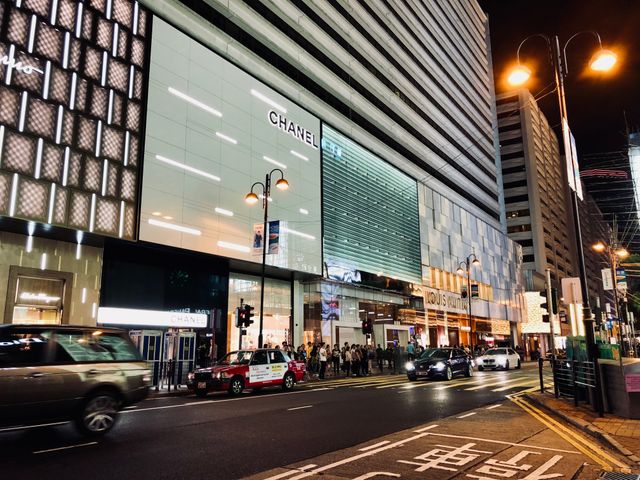
The Hong Kong sale calendar
Discounts in Hong Kong are seasonal rather than random, and knowing the rhythm is the single biggest advantage you can have. Buy in the wrong week and you pay full price for something that will be marked down within a fortnight; buy in the right one and the same item is a genuine bargain. These are the moments worth waiting for.
- The Hong Kong summer sale: the long mid-year clearance, running through the hottest months, when seasonal stock is cleared and the discounts deepen as the weeks go on.
- Singles’ Day on the eleventh of November: an online-led event that has spread to the shops, and a strong moment for electronics and household goods.
- Black Friday and Cyber Monday in late November: increasingly serious in Hong Kong, and often the best window of the year for technology.
- Christmas and the post-Christmas clearances: gift-driven promotions before the day, then genuine reductions immediately after it.
- Lunar New Year: a mixed picture, with pre-holiday promotions followed by a quiet spell when many independent shops simply close for the festival.
The pattern to remember is that the deepest cuts usually come at the end of a sale rather than the start. The first day gives you the best choice of sizes and colours; the last gives you the best price on whatever is left. Decide which of those two matters more to you before you set out, because you rarely get both.
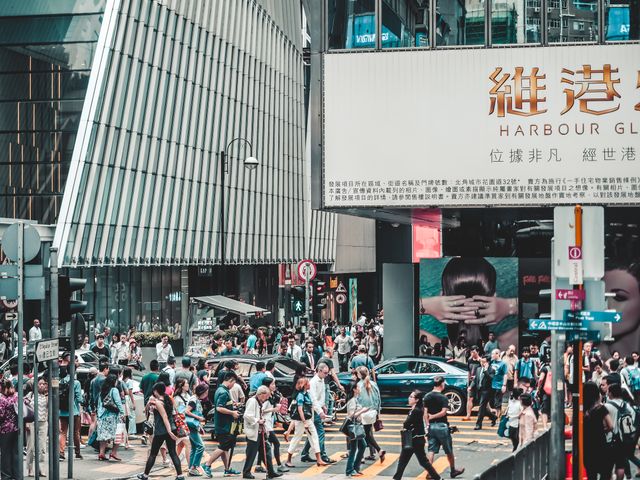
Decide what kind of shopping trip you want
Hong Kong does several very different kinds of retail, and a trip that mixes them badly tends to satisfy nobody. Decide the mood first and the destination follows.
- Malls: air-conditioned, predictable and comprehensive, from mid-range to luxury, and the most comfortable option in the heat.
- Street markets: cheap, chaotic and best for gifts, souvenirs, clothing basics and the pleasure of a rummage.
- Outlets: last season’s stock at real reductions, usually a little way out of the centre and worth the trip if you have a list.
- Independent boutiques: the small shops and studios where the city’s more interesting design hides, at full price but often worth it.
- Electronics and specialist shops: whole buildings dedicated to cameras, computers or audio, where knowledge is the price of entry.
A useful rule is to give a single trip one purpose. A day spent hunting a specific item in the electronics district is a different day from a wander through the markets, and trying to do both usually leaves you hot, tired and carrying the wrong bag.
Where to shop, district by district
The city’s retail has a clear geography, and choosing the right district saves you a great deal of walking.
- Causeway Bay: the busiest shopping district in the city, dense with malls and mid-range fashion, and the heart of most sale seasons.
- Tsim Sha Tsui: a broad mix of luxury malls, mid-range chains and tourist-facing shops, with the harbour as compensation for the crowds.
- Central and Sheung Wan: luxury and designer at one end, independent boutiques, galleries and homeware at the other.
- Mong Kok and Sham Shui Po: street-market Hong Kong, and the place for bargains, electronics, fabrics, sportswear and the best browsing in the city.
- The outlets: the dedicated outlet centres and the famous multi-storey warehouses of the south side, where serious discounts live if you are prepared to travel.
Pair your district with a meal and the day stops feeling like a chore; the restaurants around the main shopping streets are some of the best value in town, and a proper lunch is the difference between shopping and enduring.
How to tell a real bargain from a fake one
This is the heart of it. A discount is only a discount against a price someone genuinely charged, and the most common trick in retail anywhere is to raise a price quietly and then cross it out loudly. Train yourself to look past the sign.
- Know the item’s usual price before the sale starts, either from a previous visit or a quick check online, so you have a real reference point.
- Compare across at least two shops, because the same item is often discounted differently a street apart.
- Be suspicious of a permanent sale; a shop that is always fifty per cent off is simply a shop with high labels.
- Watch the exclusions, since the deepest headline reductions often apply to a narrow range of unwanted stock.
- Ignore the countdown and the urgency, both of which exist to stop you thinking.
The simplest discipline is the most effective: decide what you want and roughly what it is worth before you go, and buy only when the price beats that number. A bargain you did not want is not a bargain at all, and the sales are extremely good at selling you things you had not thought about until the moment you saw the sign.
Markets, bargaining and what to watch for
The street markets are one of the real pleasures of shopping in Hong Kong, but they run on different rules from the malls and it pays to know them. Prices are frequently negotiable, particularly if you are buying more than one item, and a polite, good-humoured haggle is expected rather than rude. Decide your limit before you start, make a reasonable offer, and be willing to walk away, which is the only real leverage you have.
Be clear-eyed about what you are buying. Counterfeit goods are common in the markets, and while a fake bag may be an obvious joke, a fake charger or cosmetic is a genuine risk. Returns and exchanges are rarely on offer, most stalls prefer cash, and once you have handed it over the transaction is usually final. Buy from the markets in the spirit of the markets: cheap, cheerful and checked before you pay.
Electronics and big-ticket buys
Hong Kong has a long reputation for electronics, and there are still bargains to be had, but this is also where an unwary shopper can come unstuck. The key question is not only the price but what you are actually getting, because grey-market stock imported outside official channels can be cheaper and yet carry no local warranty.
- Ask directly whether the item comes with a local warranty, and get the answer in writing on the receipt.
- Check that the box is sealed and the contents complete before you leave the shop.
- Confirm the exact model number, as similar-looking models vary widely in specification.
- Keep the receipt, which is your only real protection if something goes wrong.
For anything expensive, the few extra dollars paid to an established retailer with a proper warranty are usually money well spent. The saving on a grey import looks good on the day and rather less good when the device fails.
Knowing your rights
Hong Kong is a straightforward place to shop, but consumer protection is not as sweeping as some visitors assume, and there is no automatic right to change your mind. Refund and exchange policies are set by the shop, vary enormously, and are often displayed in small print at the till, so read them before you buy rather than after. Sale items in particular are frequently sold as final.
If something does go wrong, or you want to understand your position before making a significant purchase, the Consumer Council is the authoritative place to check your rights and to see its advice on common pitfalls. A little reading before a big purchase is far easier than a dispute afterwards.
No sales tax, and what that means
One quiet advantage is worth understanding, because it shapes how prices work here. Hong Kong is a free port and charges no general sales tax or value-added tax on most goods, so the figure on the label is the figure you pay at the till. There is no purchase tax to add and, equally, no tourist refund scheme to claim on the way out, because there is nothing to refund. Duties apply only to a narrow list of items, such as alcohol and tobacco.
This is a large part of why the city built its shopping reputation, and it makes comparison refreshingly straightforward: a marked price is a real price. It also means the only variable you actually need to judge is the discount itself, which brings you straight back to knowing what a thing is normally worth before you are told what it costs today.
Timing your trip
When you go matters nearly as much as where. Weekends and public holidays turn the main shopping districts into a slow-moving crowd, and the sale weekends are the worst of all, so a weekday visit is transformative if your schedule allows it. Evenings are busy but tolerable, and many shops stay open late.
Within a sale, the trade-off is always the same: go early for choice, late for price. If you need a specific size or a particular model, do not wait, because the good ones vanish first. If you are open-minded and simply want value, patience is rewarded, and the final markdowns are where the genuine bargains hide.
A checklist before you buy
- Know the normal price of what you want before the sale starts.
- Set a budget and a walk-away price, and stick to both.
- Compare at least two shops before committing on anything significant.
- Check the warranty, the model number and the contents on electronics.
- Read the refund and exchange policy, especially on sale stock.
- Keep every receipt, and pay by card where you want the extra trail.
- Go on a weekday if you can, and late in the sale if price matters more than choice.
An honest word on the sales
The honest truth about shopping in Hong Kong is that the city is extremely good at separating people from their money, and the sales are its finest instrument. Much of what is marked down was overpriced to begin with, the urgency is manufactured, and the crowds are engineered to make you decide quickly. None of that means there are no bargains; there are, and some of them are excellent. It means the advantage belongs to the shopper who plans, knows the price, and is content to leave empty-handed. Go in with a list and a limit, and the sales are a pleasure. Go in to browse and see what happens, and the sales will happily tell you what happens.
Find shops and deals across Hong Kong
Shopping the Hong Kong sales well comes down to a few habits: know the calendar, choose the right kind of trip, pick your district, and above all know what a thing is worth before you are told what it costs. Do that and the summer sale and the winter clearances become genuinely rewarding rather than merely exhausting. When you are ready to go, browse shops, markets and retailers by area to see what is near you, and if you are building a whole day around it, our guides to the best things to do in Hong Kong and to planning a public holiday long weekend will help you fit the shopping around everything else.
